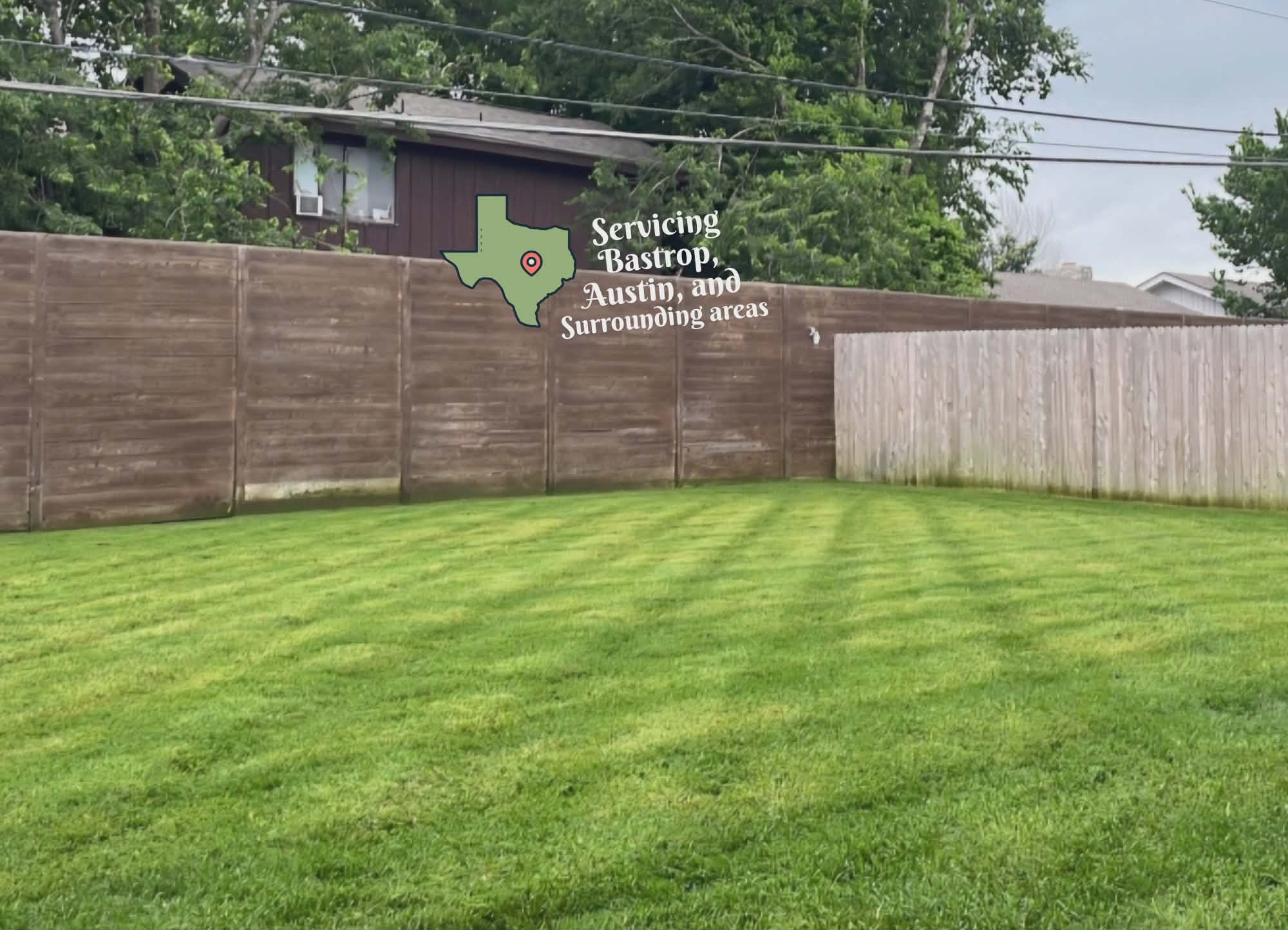
The Science Behind Healthy Lawns: Insights from Green Pastures Lawn Care Jan 15, 2026
The journey to a thriving lawn begins with understanding its fundamental components. Healthy soil is the backbone of a robust lawn. Soil quality directly influences how well grass can absorb water, nutrients, and air, which are vital for growth. Conducting a soil test can offer insights into its pH balance and nutrient levels. Ideally, grass grows best in soil with a pH between 6.0 and 7.0. If your soil is too acidic or too alkaline, it may require amendments like lime or sulfur to restore balance.
Another cornerstone of lawn health is choosing the right grass type. This decision hinges on several factors, including your region's climate, sun exposure, and lawn usage. Cool-season grasses such as Kentucky bluegrass and perennial ryegrass are well-suited for northern regions where the climate is cooler. In contrast, warm-season grasses like Bermuda and zoysia thrive in southern regions where temperatures are higher.
Watering practices are crucial in the science of lawn care. Overwatering or underwatering can lead to poor lawn health and waste resources. Generally, lawns require about one inch of water per week, but this can vary based on weather conditions and grass type. Opting for early morning irrigation minimizes evaporation and fungal growth, promoting deeper root systems.
Mowing is more than just cutting grass; it's about encouraging healthy lawn growth. Regular mowing at the correct height strengthens grass and deters weeds. As a rule of thumb, never remove more than one-third of the grass blade at each mowing session. Green Pastures Lawn Care recommends adjusting your mower blade depending on the season and grass type to keep your lawn looking its best.
Fertilization provides the nutrients your lawn needs to grow thick and lush. A well-timed fertilizer application enhances root development and disease resistance. Using a combination of slow and quick-release fertilizers ensures your lawn gets immediate nutrients while sustaining long-term growth. Schedule fertilization in the spring and fall for optimal results, and always follow label directions to avoid over-fertilizing, which can harm your lawn.
Combatting weeds is another integral part of maintaining a healthy lawn. Weeds compete for nutrients and water, compromising grass growth. Employing both pre-emergent and post-emergent herbicides, along with regular lawn maintenance, can effectively control this issue without harming desired plants.
The science of lawn care is intricate, but with careful attention and proper techniques, you can enjoy a vibrant, healthy lawn year-round. At Green Pastures Lawn Care, our team of experts is dedicated to providing personalized care plans tailored to meet the unique needs of your lawn. Whether you're just starting out or need help along the way, we offer guidance and services that cater to your lawn's every requirement.
Investing in the health of your lawn is investing in the beauty and enjoyment of your home. Reach out to Green Pastures Lawn Care today to learn more about how we can help you achieve the lawn of your dreams. With our expert insights and services, your lawn will not only survive but truly thrive.
/filters:no_upscale()/filters:format(webp)/media/15c573b9-bba6-4950-8b8a-8aadf7796dc0.jpeg)