Expert Tips for a Sustainable and Eco-friendly Landscape Dec 25, 2025
Start by selecting native plants. Native vegetation is naturally adapted to the local climate and soil conditions, making them more resilient to drought and extreme temperatures. This reduces the need for chemical fertilizers and excessive watering, which are crucial steps in maintaining a sustainable environment. Native plants also provide essential habitat and nourishment for local wildlife, supporting biodiversity.
Another key component of an eco-friendly landscape is water conservation. Consider incorporating a smart irrigation system that adjusts based on the weather and soil moisture levels. Drip irrigation systems and soaker hoses are great alternatives to traditional sprinklers, as they deliver water directly to the roots, minimizing waste and evaporation. Moreover, rain barrels can be installed to collect rainwater, providing a free and sustainable water source for your garden.
Mulching is a simple yet effective practice for maintaining soil health. Organic mulches such as bark, wood chips, or shredded leaves help retain moisture in the soil, reduce weed growth, and add essential nutrients as they decompose. For those looking to take it a step further, composting is an excellent way to recycle kitchen and garden waste into a nutrient-rich soil conditioner. Compost improves soil structure, promotes healthy plant growth, and reduces the need for chemical fertilizers.
When planning your landscape, consider installing permeable paving materials for pathways and driveways. Unlike traditional concrete, permeable materials allow rainwater to soak into the ground, reducing runoff and promoting groundwater recharge. This helps prevent erosion and reduces the burden on stormwater systems, supporting a healthier watershed.
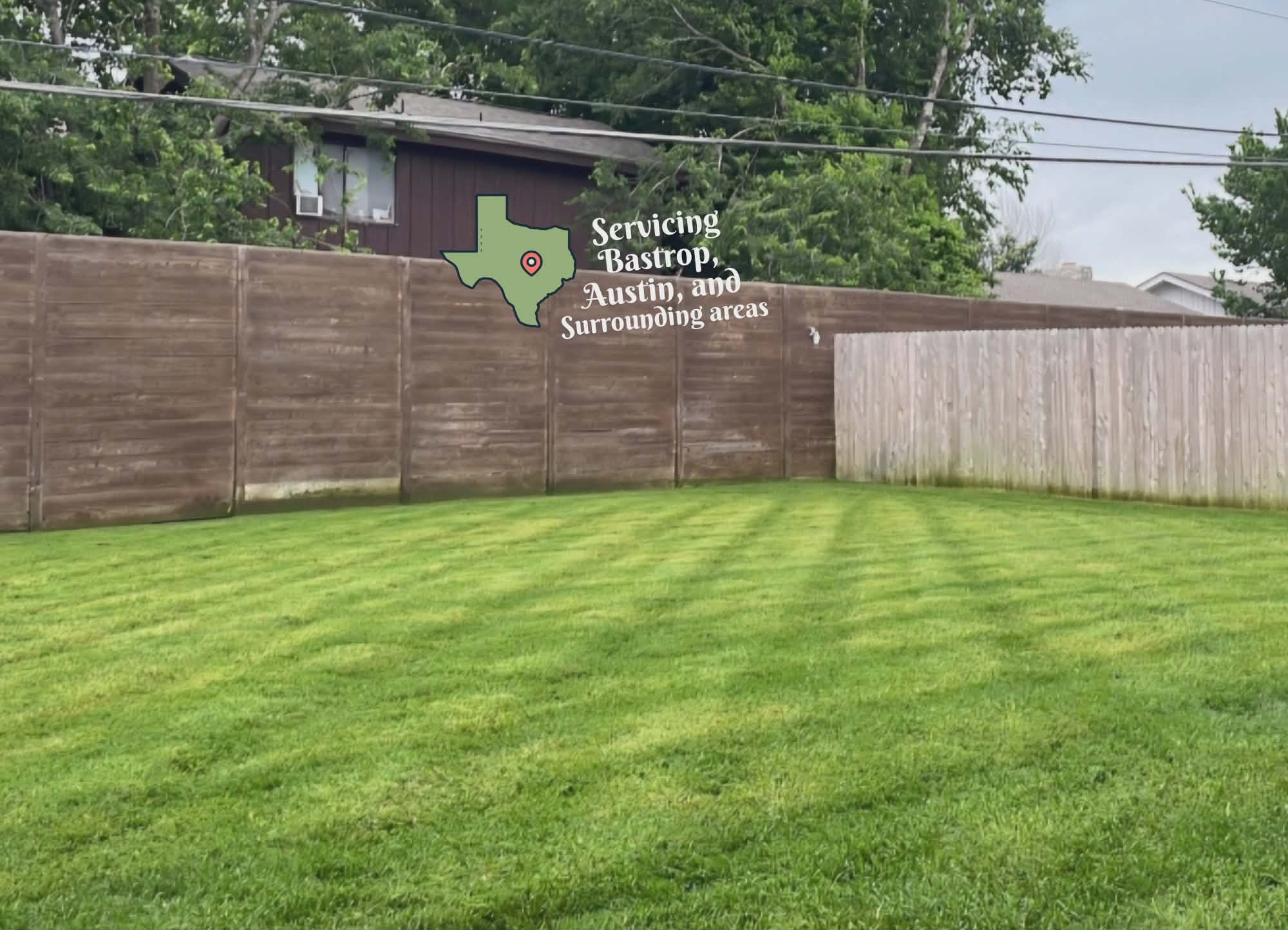
In terms of lawn care, opt for electric or manual reel mowers, which are less harmful to the environment than gas-powered mowers. Keeping your grass at an optimal height of about three inches encourages deep root growth, which increases drought resistance and reduces the need for frequent mowing. Additionally, "grasscycling," or leaving grass clippings on the lawn after mowing, returns valuable nutrients to the soil and decreases waste.
Pollinator gardens are another wonderful addition to sustainable landscapes. By planting a variety of flowering plants that bloom at different times throughout the year, you can attract and support bees, butterflies, and other pollinators that are crucial for ecosystem health. Choose flowering species that are known for their nectar and pollen, and avoid using pesticides that can harm these important creatures.
Creating a sustainable landscaping plan requires careful consideration and commitment, but the benefits are worthwhile. Not only does it promote a healthier environment, but it also enhances the aesthetic appeal and value of your property. At Green Pastures Lawn Care, we are dedicated to helping you achieve a landscape that’s both beautiful and eco-friendly.
By integrating these expert tips, you can enjoy a lush, thriving garden that supports the balance of the ecosystem and reduces environmental impact. Whether you are planning a complete landscape overhaul or simply making small adjustments, every effort counts towards a more sustainable future. For more personalized advice or professional assistance, our team at Green Pastures Lawn Care is just a call away. Embrace the change today and enjoy the benefits of a greener tomorrow.
/filters:no_upscale()/filters:format(webp)/media/15c573b9-bba6-4950-8b8a-8aadf7796dc0.jpeg)